Desert Irrigation: Crafting the Perfect Watering Schedule for Arid Conditions

July 1, 2024

In desert environments, managing water efficiently is crucial for maintaining healthy landscapes and gardens. Here’s a comprehensive guide to suggested watering practices for various types of plants in arid climates:


1. General Principles for Desert Irrigation


  • Water Deeply, Not Frequently: Watering deeply encourages plants to develop deep roots, which can access moisture further down in the soil. This is more effective than frequent shallow watering.
  • Early Morning Watering: Watering early in the morning minimizes evaporation and allows plants to absorb water before the heat of the day.
  • Adjust Based on Conditions: Modify your watering schedule based on weather conditions, plant needs, and soil moisture levels.


2. Watering Guidelines for Specific Plants


a. Lawns


  • Frequency: Water once every 2 to 3 weeks during the hottest months. Reduce frequency during cooler seasons or if the lawn is dormant.
  • Method: Use a low-pressure, rotating sprinkler system to ensure even coverage. Avoid overhead watering to reduce water loss.
  • Amount: Apply about 1 inch of water per week. Use a rain gauge or empty container to measure the amount of water applied.


b. Cacti and Succulents


  • Frequency: Water once a month or less. Let the soil dry out completely between waterings.
  • Method: Water directly at the base, avoiding the plant’s body to prevent rot. Use a drip irrigation system for efficient delivery.
  • Amount: Ensure the soil is moistened thoroughly but avoid waterlogging. Draining pots or containers is crucial.


c. Native Plants


  • Frequency: Water every 2 to 4 weeks during the hottest months. Reduce watering during cooler periods or after rainfall.
  • Method: Drip irrigation or soaker hoses are effective for delivering water directly to the root zone.
  • Amount: Apply enough water to moisten the soil to a depth of 6 to 12 inches.


d. Vegetables and Fruits


  • Frequency: Water every 1 to 2 weeks. Increase frequency during extremely hot periods or when plants are in active growth.
  • Method: Drip irrigation or soaker hoses work well to provide consistent moisture. Hand watering is also effective for smaller areas.
  • Amount: Aim for 1 to 2 inches of water per week, adjusting based on soil moisture and plant requirements.


e. Shrubs and Trees


  • Frequency: Water deeply every 2 to 4 weeks. Newly planted trees and shrubs may need more frequent watering until established.
  • Method: Use drip irrigation or soaker hoses to provide a deep, thorough watering. For large trees, consider using a tree watering bag or slow-release irrigation system.
  • Amount: Water to a depth of 12 to 18 inches for shrubs and 18 to 24 inches for trees. Ensure water reaches the entire root zone.


3. Landscape Monitoring


  • Soil Moisture: Check soil moisture regularly using a soil moisture meter or by hand. Water when the soil is dry to the recommended depth.
  • Plant Health: Look for signs of water stress, such as wilting or yellowing leaves, and adjust watering practices accordingly.
  • Weather Conditions: Modify your watering schedule based on recent rainfall, temperature changes, and seasonal variations.


4. Water Conservation Tips


  • Efficient Irrigation Systems: Install timers on irrigation systems to avoid overwatering and optimize water use.
  • Leak Detection: Regularly inspect and maintain your irrigation system to prevent leaks and inefficiencies.


5. Watering Adjustments


  • Summer: Increase watering frequency to cope with higher temperatures and evaporation rates. Focus on deep watering to help plants withstand the heat.
  • Winter: Reduce watering frequency as evaporation rates decrease and plants' water needs diminish. Be mindful of potential frost and adjust watering accordingly.


Effective desert irrigation requires a strategic approach that considers plant types, soil conditions, and environmental factors. By following these suggested watering practices, you can conserve water while maintaining a healthy and thriving garden or landscape in arid conditions. Happy gardening in the desert! 🌵💧

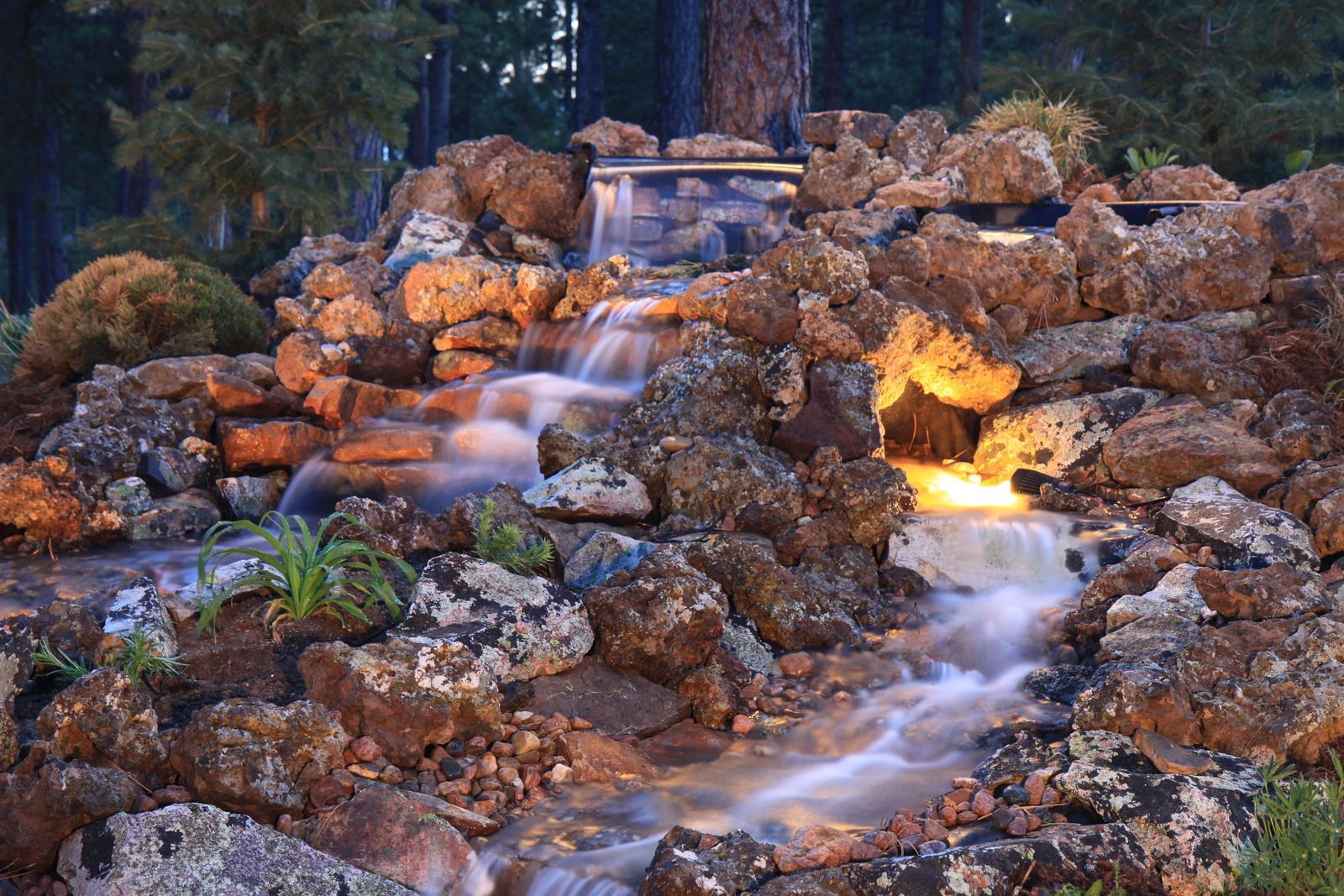
A rock garden waterfall flows into a stream, illuminated by warm lights at dusk among trees.
January 1, 2025
10 Uses For LED Strip Lights Outdoors LED strip lights are a great option for outdoor lighting, offering both practicality and aesthetic appeal. Here are some popular and creative ways to use LED strip lights
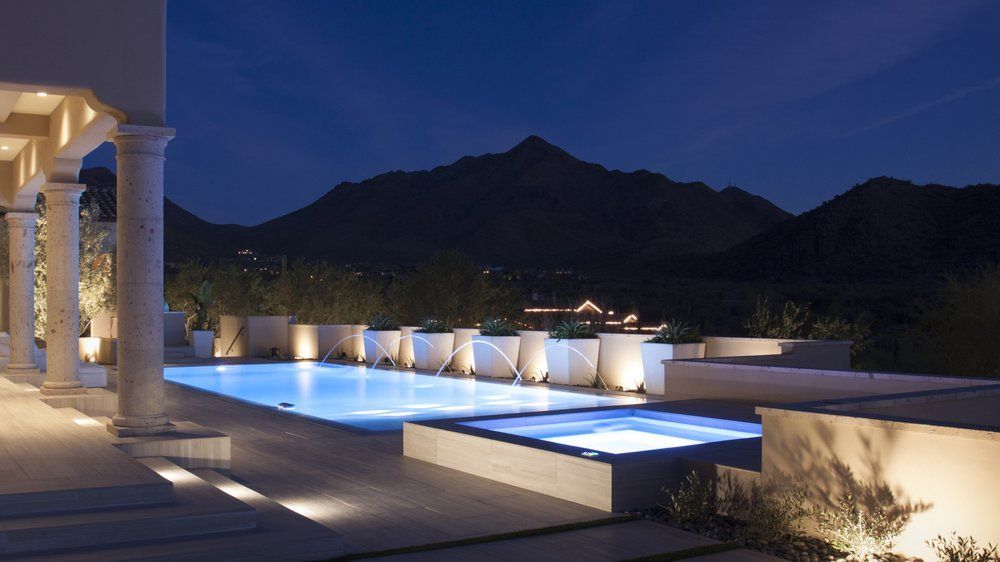
A lighted swimming pool and hot tub on a patio at dusk, set against a dark mountain landscape.
December 1, 2024
Landscape lighting does more than beautify your yard—it plays a crucial role in enhancing your home’s safety and security. By strategically illuminating key areas, you can reduce risks, deter intruders, and create a welcoming environment.
More Posts